Most student do freak out At the mention of placement this includes me. Even with my years of experience as HCA, I didn’t have peaceful night sleep before my first ten weeks placement which was in medical ward. However, I keep on repeating those words to myself “Just be your natural self, you have showed compassionate care as HCA. Now, do it even better as student”. And this has been my attitude throughout my placement – caring with compassion and striving to make positive difference in people’s lives.
Placement is a vital part of my learning experience and getting it right contributes greatly to the development of my clinical skills as well as the interpersonal skills. Therefore, I have always given my placements same attention I have given my academics. NMC stated that student nurses should be assessed in theory, simulation and practice environments (placement). Early take away from this writing is that in theory and simulation, your university tutor assesses you mainly based on your academic performance but in placement, an unknown eye watches every move you make. That unknown eye might be your mentor, the ward manage, other nursing staff, doctors, receptionist, porters, ward hostess, relatives/ carers, the list goes on. But most importantly, patients and they do so when you least expect it. So, be prepared to show that you can make an outstanding nurse in future. This is how I ninja my placement.
First things I do after my placement allocation has be published is to make a quick internet search of the kind of wards I am going to – What they do there and kind of patient they see. From this search, I make list of questions and this forms my learning objectives. Then I check my journey routes and travel time. As part of my preparatory process, I call the ward two weeks prior to my placement and request for a visit. This is very important as it helps me work out the actual travel time as punctuality is one of my strength and I tend to maintain it throughout my placement. secondly, requesting for a visit shows the staff that you are a committed student nurse. Also, during this visit, I ask about the shift pattern, dressing policy, starting time, who my mentors are or will be. This visit also help me get over the anxiety most of us have during few first weeks of starting placement.
Since I have dealt with that initial placement anxiety by visiting my placement area prior to placement, I categorise what I will be assessed against during placement into knowledge and understating, professional attitude and participation in care and practical skills. This Initiative was taken from my placement document.
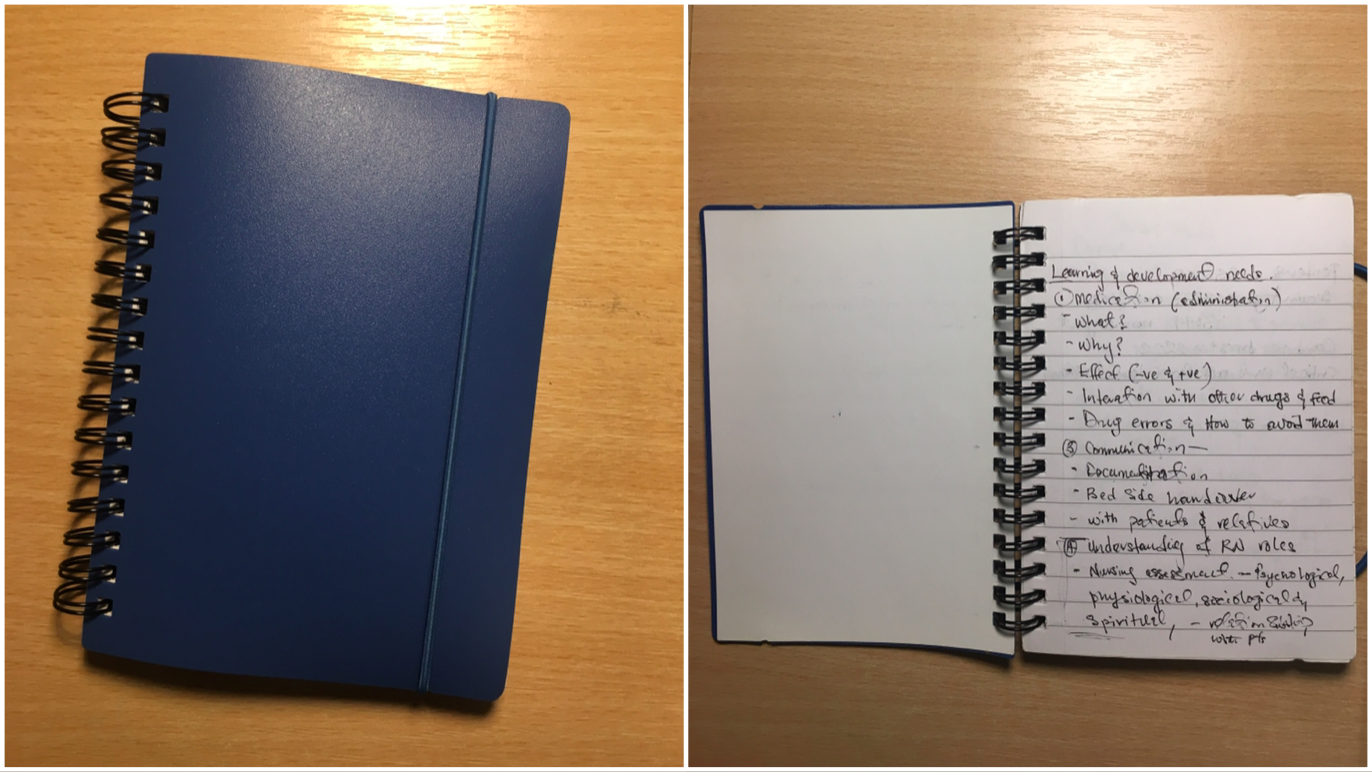
Knowledge and understanding: remember I said earlier that I will quick internet search of the kind of wards I am going to – What they do there and kind of patient they see. From this search, I make list of questions and this forms my learning objectives. This will lead to intensive reading and more question will spring up from your studies. You’re bound to have a million questions ranging from what specific abbreviations mean to how specialised equipment works. You are there to learn and don’t be afraid to ask questions. Don’t ever think your question is silly or your mentor will laugh at you for not knowing it. I have spent hours with one of my mentors as he was explaining stem cells transplantation. TIP: I used to trick my mind by telling myself, “I’m here to learn and if I did not understand this by the end of my placement here, I’m the one at lost”. By doing so, I ask question to everyone that might be of great help including HCAs, etc. Often, we are in a busy ward and you might forget any experience or something you have learnt. Therefore, always make a note of any new experience or something you have learnt. I always carry a small note book (see pic below) that fits well into my pocket. I call this small note book “my placement bible” because it contains questions, learning objectives, knowledge from my first year to my last year placements. TIP: get a small note book for lots of pages that will see you through all your placement. You have all your placement resources in one place and can easily refer to it.
Professional attitude: for me, this is nursing differs from most other career and it is very important to maintain high standard of professional attitude. As student nurse, our attitude matters a lot and there is where the unknown eyes watches you. I have often hear my follow students complain having issue whiles in placement and I think its down to our attitude. Punctuality is often a big issue during placement. I endeavour to arrive on my placement area 30mins before that start time. As I stated before, this helps me to plan for the day and it has been one of my stress coping strategies. During lectures, if I can’t afford to be late, I do same to my placement. TIP: plan your journey and alternative routes. Set your alarm and honour it. If you happens to be running late, call your placement area, inform them stating when you might get there and don’t forget to take the name of who you talk to. Additionally, Professional attitudes goes beyond punctuality; how you treat people, communicate and work with others comes under it. You can read RCN 8 principles of nursing practice to have a view of what is expected from a student nurse in care setting.
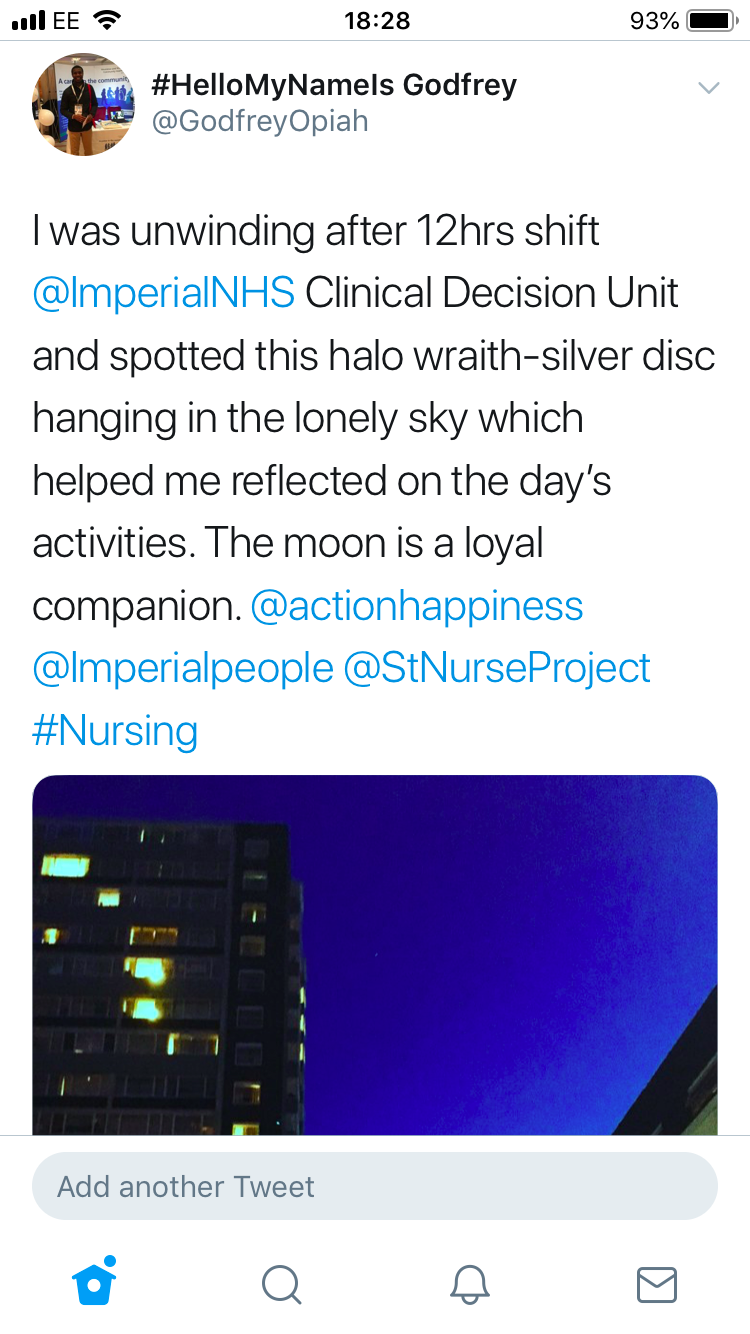
Participation in care and practical skills: this is where your knowledge and understanding (academics) and professional attitude form your nursing care. I always prepare myself mentally for challenging situation. As nurses, we are alway in contact with patient of which most of them are vulnerable Participation in care and practical skills: this is where your knowledge and understanding (academics) and professional attitude form your nursing care. I always prepare myself mentally for challenging situation. As nurses, we are alway in contact with patient of which most of them are vulnerable and frail while some are confused and disorientated. The nursing care might include assisting patients to the toilet, dealing with messy situations and helping people during their mental outbursts. Combined with language barriers and not understanding every cultural difference, your first placement is a real test of your character. TIP: try to stay calm and always ask for help if needed. Final thought, don’t be too hard on yourself. You will be probably working 12 hours shift and learning at the same time. Don”t get mad at yourself for not getting everything right. Rather, reflect on your day’s experience and identify areas of improvement. TIP: I unwind by watching the setting sun or the moon after long day at work.

Participation in care and practical skills: this is where your knowledge and understanding (academics) and professional attitude form your nursing care. I always prepare myself mentally for challenging situation. As nurses, we are alway in contact with patient of which most of them are vulnerable Participation in care and practical skills: this is where your knowledge and understanding (academics) and professional attitude form your nursing care. I always prepare myself mentally for challenging situation. As nurses, we are alway in contact with patient of which most of them are vulnerable and frail while some are confused and disorientated. The nursing care might include assisting patients to the toilet, dealing with messy situations and helping people during their mental outbursts. Combined with language barriers and not understanding every cultural difference, your first placement is a real test of your character. TIP: try to stay calm and always ask for help if needed. Final thought, don’t be too hard on yourself. You will be probably working 12 hours shift and learning at the same time. Don”t get mad at yourself for not getting everything right. Rather, reflect on your day’s experience and identify areas of improvement. TIP: I unwind by watching the setting sun or the moon after long day at work.
 My nursing journey