I started off this year by twitting why this will be an amazing for not just me but the 22 million nurse and 18 million midwives worldwide. However, I still hold that notion that it is a very special year for me. A year ago, the WHO executive board designated this year as the “Year of the Nurse and Midwife”. This is the first ever international recognition of nurses and midwives internationally. Nurses and midwives have been doing so much amazing jobs caring for the nation, denying themselves a lot make sure the nation are healthy. Nursing and midwifery are fun, this is scary – scary in the sense that before other healthcare professionals will get to patient’s aid, a nurse or midwife is already there doing all she or he care to protect, promote or preserve life. At least, nurses and midwives in UK and well as the rest of the world have code of standards to adhere to. Despite being underpaid and undervalued, nurses and midwives wakes up every morning and give their best to the nation. If not for the passion and empathy nurses and midwives have for the nation, there will not one in the hospital working long hours, some being abused and still show compassionate care to the nation. There will no one taking the risk to reach out to communities in the far rural areas giving immunisation to kids, educating women on how to best breastfeed their babies, and promoting health. There will be no one in the maternity wards helping mothers in child delivery. A banker will talk down on a nurse or midwife and make nurses and midwives feel they are not part of the society – I don’t think that counting money and balancing the book is preferred over saving lives and serving humanity. Nurses and midwives are the forces that propels healthcare sector worldwide, therefore, why have WHO left it till 2020 to celebrate nurses and midwives, 160 years after Florence Nightingale laid the foundation of professional nursing?
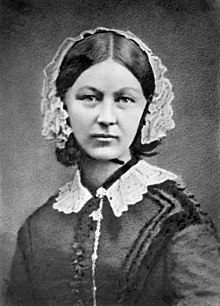
Florence Nightingale wasn’t financial unstable as nurses and midwives as seen these days. In fact, she was born into a wealthy, upper class and well-connected British family and a statistician. Why did she turn into the service of others? She underwent the first of several experiences that she believed were calls from God in February 1837 while at Embley Park, prompting a strong desire to devote her life to the service of others. During her travel around the world, at Thebes, she wrote of being “called to God”, while a week later near Cairo she wrote in her diary: “God called me in the morning and asked me would I do good for him alone without reputation.” Most of us that follows her work will be familiar with how she went above and beyond call of duty treating and caring for wounded soldiers during the Crimean War- the birth of infection control that is being apply in today’s healthcare system. What amazes me about Nightingale is that her vision of “called to God” to service others was embedded in the foundation of professional nursing. After all, what else is the traditional role of nurses if not to serve? Although, today nursing if drifting away from this vision.

Nurses and midwives are called to service the nation and Nightingale have paved the way for modern day nursing. This is why nurses and midwives are selfless in the job they do; despite being looked down on by the nation, because it’s a call, nurses and midwives never fall short of their duty to serve. Thinking of it, Nightingale still influences nursing after 160 years of laying the foundation. This makes her a leader – a servant leader to be precise. The team servant leadership came to light 98 years after Nightingale laid the foundation of professional nursing. According to Robert K. Greenleaf, this leader is different from traditional leaders whose duty is mainly the success of an organisation. A servant leader puts the needs of others first and does so for the sole benefit of others. Many literatures show that this is the main leadership approach suitable for nursing irrespective of position, nurses and midwives are called to God to serve.
 My nursing journey
Leave a comment